By Aaron Parham ’26
Loutha Lawson knows that the past can make you bitter. “But you get past it. And my thing was,growing up, I had a lot of anger within me. But then after I was old enough to understand, not everybody did the things that happened back then, so you can’t judge everybody. Like they said, never judge a book by the cover.”
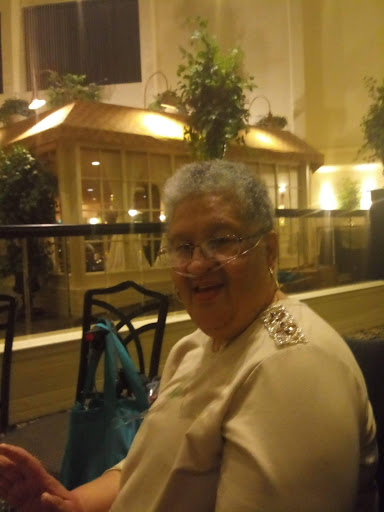
Loutha Lawson was born in Pennsylvania in February, 1951 at St. Joe’s Hospital. In 1965 she attended John Piersel McCaskey High School. At one point in her life, she worked for Franklin and Marshall College. She then worked for Pennsylvania Power Light Company for 40 years, where she eventually retired from.
“My father was a policeman for 25 years in Lancaster, and we had to be the example for the ones out in the streets growing up,” said Lawson. “So it was hard. It was like being a preacher’s daughter. My father was very strict.”
She explained: “We had to have manners, we had to dress properly, we had to speak, ‘Yes, ma’am. No, sir. No thank you.’”
Lawson’s entire family felt the pressure.
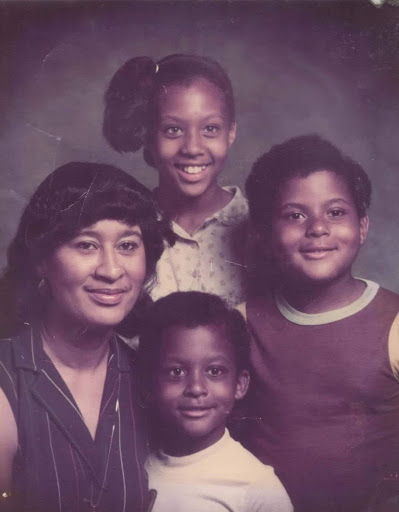
“I have six siblings, no brothers,” said Lawson. “So, when we went out in the streets we had to be presentable to the other young people out in the street so that they knew crime and violence and all that wasn’t happening with us. So we had to be an example for them.”
Lawson talked about how her dad taught her how to respect herself, have pride, and give her all. Despite that, she did not feel welcome everywhere.
Lawson said, “We went to a restaurant in Virginia in the ’60 and my mother was very full of wisdom. She just felt in her gut because of the stares that we were getting from the patrons within that establishment that we were not welcome as African American people. So we left.”
“If it was an all-white establishment, you knew you could not go in that establishment without being bullied or beaten up when you came out,” said Lawson. “So we didn’t go.”
“We didn’t go to our school dances and stuff,” she said. “We knew back in that time, it was very hard for Black people to do anything because we weren’t accepted. We were called out of our name, and… it just wasn’t pleasant, growing up as a Black woman in society.”
Lawson talked about how expectations were higher for her because of her race.
“I mean, it was hard being a Black woman,” said Lawson. “It was very hard because we weren’t accepted by any of the races, really. And when you went and did something, instead of 100%, you had to do it 110%. Because you had to be better than other people. You had to show them you were more advanced than they were in order to get ahead.”
The danger went beyond just name calling.
“When I grew up in the ’50s, ’60s, we had to be very careful where we went because of the KKK,” she said. “We were not liked. We were called out of our names, I won’t repeat the name, because I don’t like them, and I won’t tolerate anybody calling me any[thing], anybody. They called me out of my name other than what my mother and father named me.”
She explained that she was treated “like we’re lower class people, which we weren’t. We were just as knowledgeable as they were, but we were never given a fair chance in society and today we’re still not given a chance in society. You almost have to give 110 or 120% of yourself to be even tolerated in society today.”
Lawson stated that she feels that nothing has really changed in this world besides some of the racism becoming less overt.
“Well, I mean, there was a lot of violence, and most of the Black children from that era were against policemen and there were only four Black policemen, one [of which was] my father,” stated Lawson.
She explained that Black policemen “were outcast with Black people, because they always called them Uncle Tom’s, which they weren’t. They just had more concern over our kind and the others, but they were more concerned with the Black children growing up in that time.”
Lawson stated the police men wanted Black children to have the same opportunities as white students.
Lawson said, “We just wanted to be recognized as another human being, rather than for the color of our skin. And back then, if you were Black, you had a rough way to go. But you made it through.”
Lawson sees some progress but knows that there is a long way to go.
“I think the North has gotten better, but there are places even in the South, you better not go to,” Lawson said. “because you will get lynched. And I know that for a fact. Atlanta, you’re pretty cool. But you better not step outside of Atlanta into a different neighborhood, because you won’t come back out.”
She mentioned how there is a KKK in Lancaster. “And, you know, Trump has really made white people bold, and it’s a hard time for everyone right now. because we were beaten. We were killed. A lot of things happened to our race, because of the color of our skin, that were uncalled for and unnecessary.”
“If anybody that reads this, I just want them to understand, as a Black woman, I feel that I should have been given the same grace as the next person being white”, Lawson said. “I can’t help, God made me intelligent. Or maybe a little more intelligent than them. I can’t help that. But I’m not gonna let you take that from me. I don’t care.”
Lawson doesn’t apologize for who she is and what she stands for.
“I’m just not gonna let anybody take what God has given me, the knowledge, the wisdom. I’m not gonna allow anybody to take that from me at all,” stated Lawson.
Lawson’s experiences have left her with strong feelings about how humans should treat each other.
“I just want all human races to understand, God made us all equal,” she said. “Our blood is red. We have feelings just like everybody else. And the bullying, it needs to stop. God made us all different but he treats us all the same and that’s all I want in my life to be treated equally with respect and kindness and love. That’s what God is. God is love and I want to be of love.”