
By Brayden Napolitan ‘26
Right-winged philosophy is built on ideas about tradition, order, freedom, morality, and human nature. These five books explore the thinkers and philosophies that have shaped conservative and right-leaning beliefs throughout history.

“Sun and Steel” by Yukio Mishima
Mishima argues that modern society has become weak, overly intellectual, and disconnected from discipline and physical courage. He celebrates the body, strength, self mastery, and the idea that truth comes from action rather than abstract talk. He offers a lived philosophy centered on discipline, beauty, and the rejection of modern softness which is why many find it as compelling.
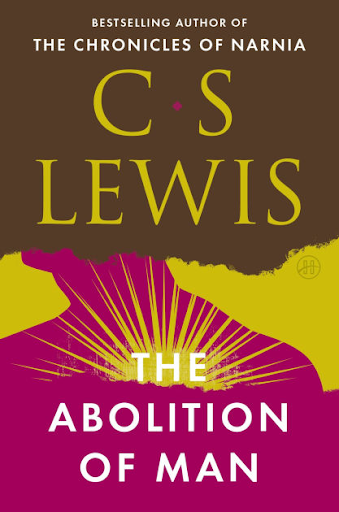
“The Abolition of Man” by C.S. Lewis
Lewis’s critique of morals has become a cornerstone for conservative thinkers who argue that values are the backbone of any civilization. In “The Abolition of Man,” he warns that if a society has abandoned shared morals eventually it produces men “without chests.” To extend this idea, people are trained to feel nothing, believe nothing, and defend nothing. For right wingers, the book resonates as both a diagnosis of cultural decay and a call to preserve the moral inheritance of modernity.
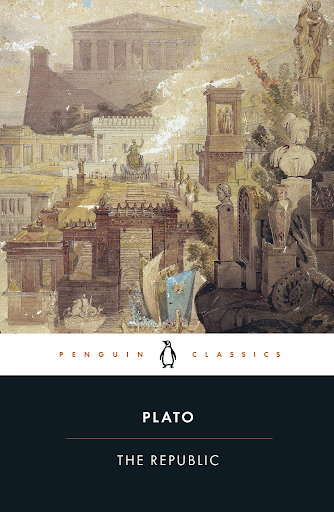
“The Republic” by Plato
Plato’s ideas on justice, leadership, and society have remained influential for centuries, especially among thinkers about order and morality. He argues that civilizations fall into chaos when emotion and desire overpower wisdom and discipline. Plato believed that a strong society depends on virtue, hierarchy, and leaders guided by reason rather than popularity. The book resonates as both a warning about social decline and a defense of structure, and moral responsibility.
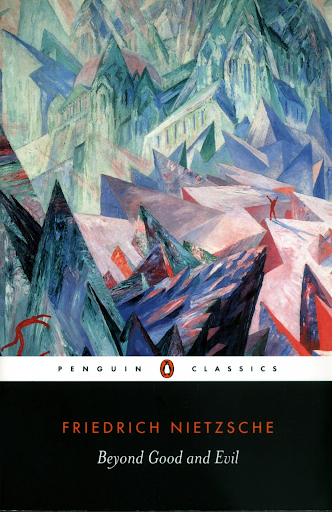
“Beyond Good and Evil” by Friedrich Nietzsche
Nietzsche critiques traditional morality and argues that many “moral truths” are actually social constructions designed to control people. He challenges herd mentality and promotes the idea that strong individuals create their own values instead of following inherited ones. The book is a direct attack on conformity and unquestioned moral systems.
“The Revolt of the Elites” by Christopher Lasch
Lasch critiques modern elite culture and argues that leadership classes have become detached from ordinary people and shared national identity. He believes this separation creates social fragmentation and weakens democracy itself. His writing focuses on cultural decline, loss of community, and the breakdown of responsibility among institutions. The book is a strong analysis of modern social decay from a populist leaning perspective.